How to Operate an Anion Gap Calculator Whenever Chloride Is Elevated
What the Anion Gap Calculates
The anion gap is a practical way to interpret a routine chemistry panel or comprehensive electrolyte panel. It compares the main measured ions in blood chemistry, especially sodium, chloride, and bicarbonate, to estimate whether there are unmeasured acids or other charged particles affecting acid-base balance.
In simple terms, the anion gap gives a clue about the balance between measured and unmeasured components in the blood. A typical serum sodium value is the largest contributor to the calculation, while serum chloride and serum bicarbonate shift in the other direction. If chloride rises, the calculated gap may drop, even when the overall picture still suggests an acid-base disorder.
This is why an anion gap calculator can be especially helpful when chloride is elevated. It helps turn raw lab values into a more informative clinical interpretation. The result can aid screening for an underlying cause of metabolic disturbance, but it does not substitute for a full evaluation.
Another reason the anion gap matters is that it can distinguish between different forms of metabolic acidosis. Some conditions create extra acids in the blood, while others lower bicarbonate and raise chloride as a compensatory response. Looking at the anion gap alongside chloride makes that distinction clearer.
Anion Gap Calculation and Required Inputs
The traditional anion gap formula is written as:
Anion gap = sodium − (chloride + bicarbonate)
Some versions of the formula also add potassium, but many healthcare calculators exclude it because potassium is usually low compared with sodium. When potassium is included, the formula becomes:
Anion gap = sodium + potassium − (chloride + bicarbonate)
An anion gap calculator usually requires sodium, chloride, and bicarbonate, and sometimes potassium. These are routine entries from a blood chemistry panel. The calculator then produces a calculation result that can be checked against the expected reference interval.
Because the formula subtracts chloride and bicarbonate from sodium, a elevated chloride level can reduce the result. That makes the calculator especially useful when you want to know whether elevated chloride is hiding another problem or suggesting a specific acid-base pattern.
For best use, enter the most current serum sodium, serum chloride, and serum bicarbonate values from the same blood draw. If the report includes albumin, that can also be important, because low albumin can affect the meaning of the number.
Typical Anion Gap Reference Range and Interpretation
The normal anion gap depends on the laboratory’s reference range and whether potassium is included in the formula. In many settings, the normal range is relatively narrow, but exact cutoffs vary by method and analyzer. That is why the calculator result should always be viewed alongside the lab’s own reference interval.
A normal result often suggests that bicarbonate loss is being balanced by chloride gain, which is one pattern of metabolic acidosis. This is sometimes called anion gap with a normal range acidosis or hyperchloremic acidosis. In that setting, the body loses bicarbonate without a large increase in unmeasured acids.
Interpreting the result means looking at acid-base balance as a whole. For example, a person may have a normal anion gap but still have an important acid-base disorder if bicarbonate is low and chloride is high. The calculator alone does not diagnose the cause; it supports the broader evaluation.
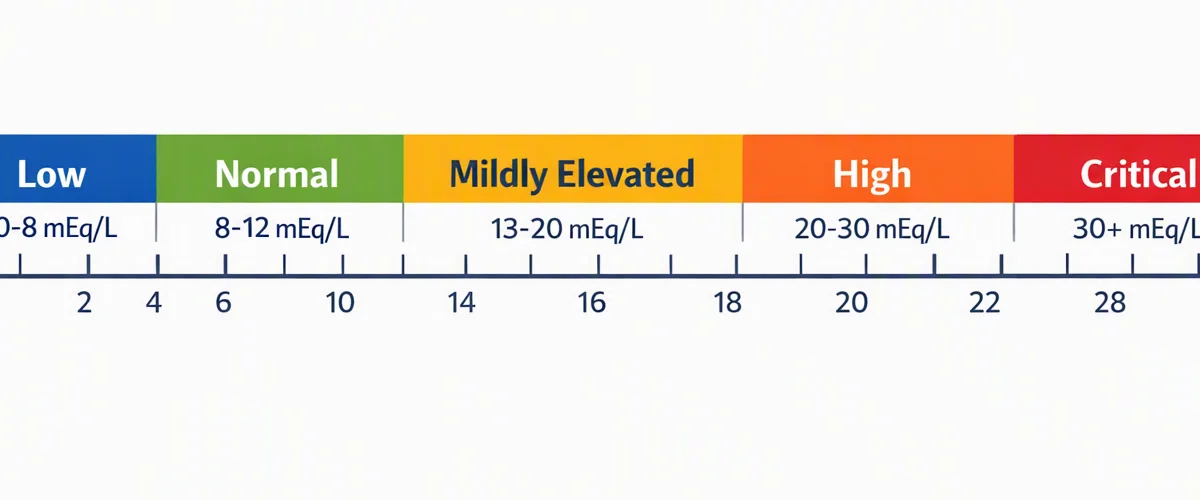
In contrast, a clearly elevated result suggests a increased anion gap state, where unmeasured acids are accumulating. That pattern is different from a chloride-driven shift and often requires a different diagnostic approach.
What Elevated Chloride May Indicate
Elevated chloride, or hyperchloremia, indicates the chloride level is higher than the expected range. It can happen for several reasons, including dehydration, kidney-related problems, excess saline administration, or acid-base compensation. In a lot of cases, the key question is not just whether chloride is high, but why it is high in relation to sodium and bicarbonate.
A common explanation is dehydration, which can thicken blood components and make chloride appear increased. A second is renal tubular acidosis, a disorder in which the kidneys do not handle acid and bicarbonate correctly. In that situation, chloride may rise as bicarbonate falls, leading to a normal anion gap pattern.
High chloride may also be linked to an underlying issue with renal function. The kidneys play a major role in maintaining acid-base balance, and impaired handling of acid or electrolytes can change the relationship among sodium, chloride, and bicarbonate. That is why chloride abnormalities deserve context, not just a single-number interpretation.
When the chloride level is high, the calculator result can help separate a simple electrolyte shift from a more meaningful electrolyte imbalance. If bicarbonate is low at the same time, the pattern often points toward an acid-base disturbance rather than isolated hyperchloremia.
Low Anion Gap vs Increased Anion Gap
A low anion gap is not as common than a increased one, and it warrants careful evaluation. It can occur when albumin is low, when lab values are affected by measurement issues, or when certain unmeasured cations are present. Since albumin is a major negatively charged protein, changes in albumin can significantly alter the number.
A elevated anion gap usually signals accumulation of unmeasured acids. One classic example is lactic acidosis, where lactate rises in response to poor oxygen delivery, severe illness, or other metabolic stress. Other causes can include toxins, ketoacidosis, and some forms of kidney failure.
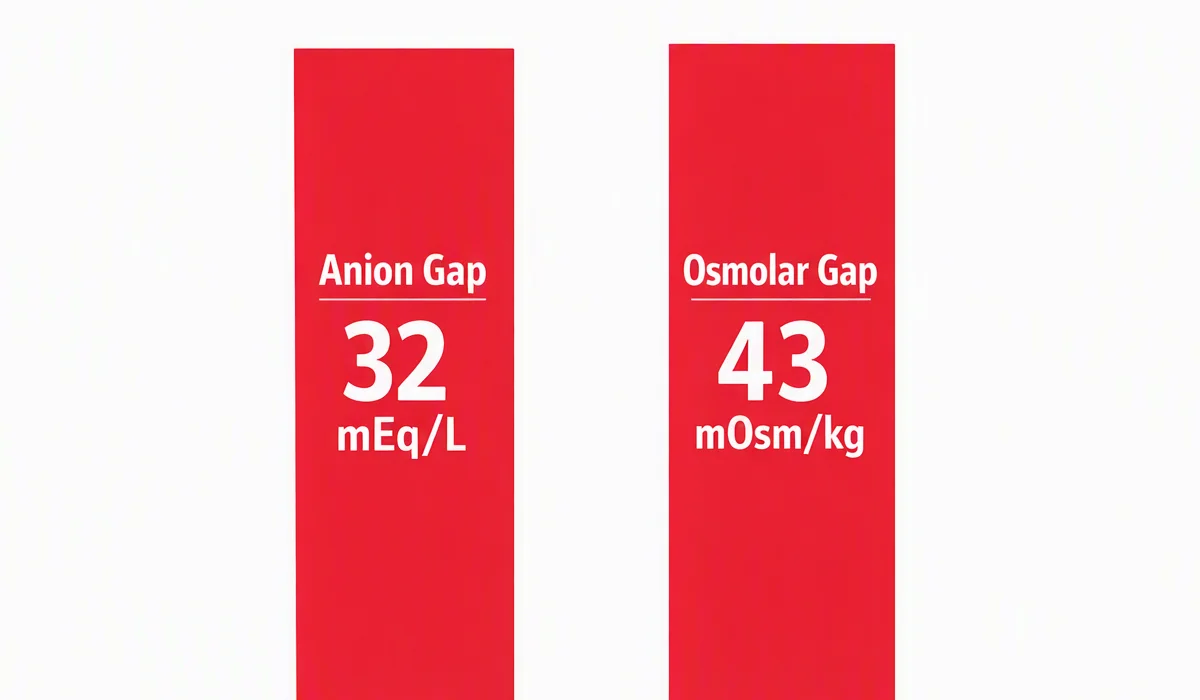
With elevated chloride, the concern is often different. Chloride may be high while the anion gap remains normal, suggesting bicarbonate is being replaced by chloride rather than consumed by an acid buildup. That pattern often points away from lactic acidosis and toward a non-anion gap metabolic acidosis.
Still, interpretation should always consider the full picture. A patient can have mixed disorders, meaning more than one acid-base problem at the same time. In those cases, the anion gap calculator is a https://anion-gap-calculation.com/formula/ diagnostic tool, not a final answer.
Common Causes of High Chloride with a Normal Anion Gap
When chloride levels are high and the anion gap stays normal, one of the most frequent explanations is non-anion gap metabolic acidosis. This happens when bicarbonate is removed or diluted and chloride rises to keep electrical neutrality. It is a key pattern for recognizing specific underlying causes.
IV saline administration is a frequent reason for this pattern, especially after receiving large amounts of normal saline. Because normal saline contains a high chloride concentration, it can raise serum chloride and decrease bicarbonate, creating a hyperchloremic picture on lab values.
Loose stools is another important cause. The digestive tract can lose bicarbonate-rich fluid, and the body may compensate by holding onto chloride. This often produces low bicarbonate, elevated chloride, and a normal anion gap result on the calculator.
Renal disease can also contribute. When the kidneys cannot properly excrete acid or reabsorb bicarbonate, chloride may rise as part of a larger metabolic disturbance. In some cases, kidney-related causes include renal tubular acidosis, which is a classic cause of hyperchloremic acidosis.
Other settings may also cause this pattern, but the main point is practical: elevated chloride with a normal anion gap often means bicarbonate loss or replacement, not necessarily excess acid production. That distinction helps guide medical interpretation and next-step evaluation.
How to Adjust the Anion Gap for Albumin
Adjusting for albumin is essential because albumin is a key not directly measured anion in blood. If the albumin level is low, the measured anion gap can appear incorrectly normal or low. In that case, the corrected anion gap gives a more precise view of the patient’s acid base status.
Low albumin can happen in many situations, including illness, inflammation, malnutrition, liver disease, or protein loss. Since albumin contributes to the charge balance of blood, low levels can hide a genuine high anion gap disorder. That means a patient with acidosis may look more normal unless correction is applied.
A common clinical approach is to revise the result based on the albumin level. The exact formula may vary by facility, but the goal is the same: account for lower albumin so the interpretation shows the true acid-base picture. This is especially important when a calculator result seems unexpectedly normal in a patient with worrisome lab values.
Because protein status affects the interpretation, albumin should be reviewed whenever possible. If the albumin level is available, a corrected result can detect hidden acid-base problems and improve the quality of the final interpretation.
When You Should Seek Clinical Review
Abnormal chloride or anion gap results should be interpreted in context, not in isolation. A blood test may be slightly off for a temporary reason, but it can also point to a larger problem that needs further review. The key is whether the result aligns with the person’s overall symptoms and other lab findings.
If there are symptoms such as altered thinking, severe weakness, rapid breathing, vomiting, diarrhea, dehydration, or worsening illness, medical review is essential. These can be signs of a more serious acid-base disorder or another condition affecting electrolytes and renal function.
Because the anion gap calculator is part of lab interpretation, it works best as a single part of the puzzle. A healthcare professional can review the full blood chemistry, identify the likely underlying cause, and decide whether additional testing is needed. That may include repeat testing, kidney studies, or evaluation for infection, medication effects, or volume changes.
If the chloride level is persistently high or the calculator result is clearly abnormal, follow-up is warranted even if symptoms are mild. A clinician can help determine whether the pattern reflects dehydration, saline exposure, renal tubular acidosis, kidney disease, or another electrolyte imbalance.
Frequently Asked Questions About Anion Gap Calculator and Elevated Chloride
How exactly does an anion gap calculator work when chloride is elevated?
An anion gap calculator uses the anion gap formula, usually sodium minus chloride plus bicarbonate, to estimate whether there is an acid-base imbalance. When chloride is elevated, the formula result may decrease because chloride is a major part of the subtraction. That makes the calculator especially useful for identifying whether the pattern is consistent with a normal anion gap state or something more complex.
What does elevated chloride mean with a normal anion gap?
Elevated chloride with a normal anion gap often suggests non-anion gap metabolic acidosis or another hyperchloremic pattern. Common causes include saline infusion, diarrhea, renal tubular acidosis, or kidney disease. The result may reflect bicarbonate loss or replacement rather than excess unmeasured acid.
Could low albumin affect the anion gap result?
Indeed. Low albumin can reduce the measured anion gap and make it appear within range or low even when an acid-base disorder is present. Albumin correction can help generate a corrected anion gap that better shows the true blood chemistry picture.
Which conditions cause hyperchloremic metabolic acidosis?
Hyperchloremic metabolic acidosis is commonly linked to diarrhea, renal tubular acidosis, saline infusion, and some forms of kidney disease. In these settings, bicarbonate is often depleted and chloride rises to maintain balance. The pattern usually produces a normal anion gap result.
When should I follow up on abnormal chloride or anion gap lab results?
Follow up if the abnormality is ongoing, not explained, or associated with symptoms such as weakness, confusion, shortness of breath, vomiting, or dehydration. A healthcare professional can review the blood test, assess the electrolyte imbalance, and determine whether the result suggests a more serious underlying cause.